End-of-Year Stress Season – How to Safeguard Your Pet's Emotional Wellbeing?
December streets in Europe and America are filled with festive songs, but for pets, frequent family gatherings, unfamiliar guests and busy owners can all trigger anxiety. Latest research from Sylvester.ai shows that the incidence of pet anxiety increases by 40% at the end of the year, making "pet emotional management" a hot topic in European and American pet communities. As we embrace warmth during this festive season, don't forget that our fur babies also need emotional care.
I. Recognize the Signs: 6 Major Manifestations of Pet Anxiety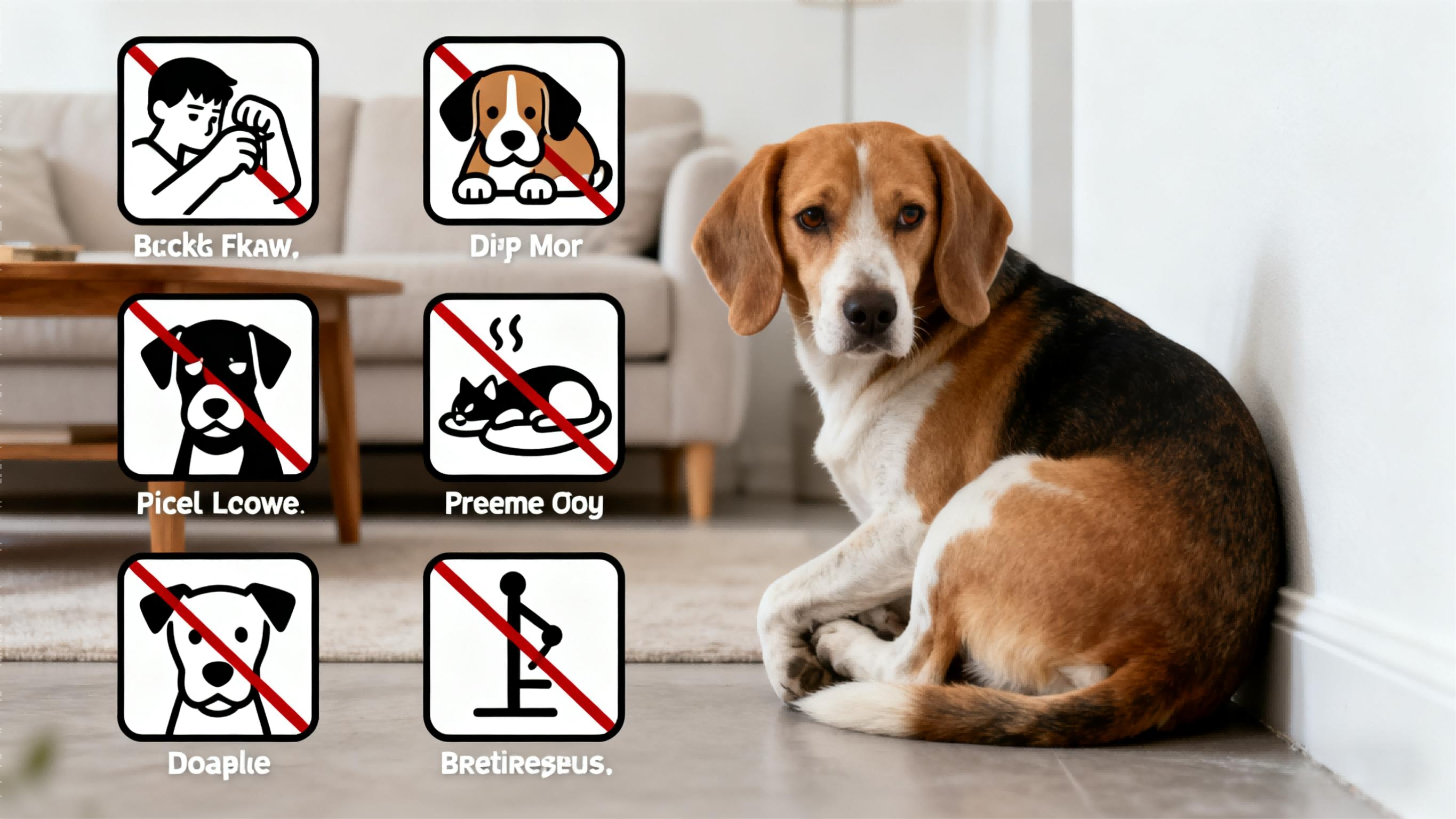
Pets cannot express emotions verbally, so owners must identify anxiety signals through behavioral changes. Manifestations vary between different pets:
|
Anxiety Type
|
Typical Canine Manifestations
|
Typical Feline Manifestations
|
|
Environmental Change Anxiety (e.g., decoration changes)
|
Frequent paw licking, hiding under sofas, aggressive behavior towards new decorations
|
Inappropriate urination, furniture scratching, refusal to use newly placed litter boxes
|
|
Noise Anxiety (e.g., Christmas crackers, party music)
|
Trembling, tucked tail, attempted escape
|
Huddling into a ball, rapid breathing, covering ears with paws
|
|
Separation Anxiety (due to busy owners)
|
Excessive barking, toy destruction, clinginess when owners return home
|
Loss of appetite, excessive grooming leading to hair loss
|
Image Suggestion: Infographic – left side shows a "pet anxiety signal comparison chart" with stick figures illustrating different manifestations; right side features an "anxiety level self-assessment form" with a 0-5 point evaluation scale to help owners quickly judge.
II. Targeted Solutions: Emotional Comfort Plans for Three Scenarios
II. Targeted Solutions: Emotional Comfort Plans for Three Scenarios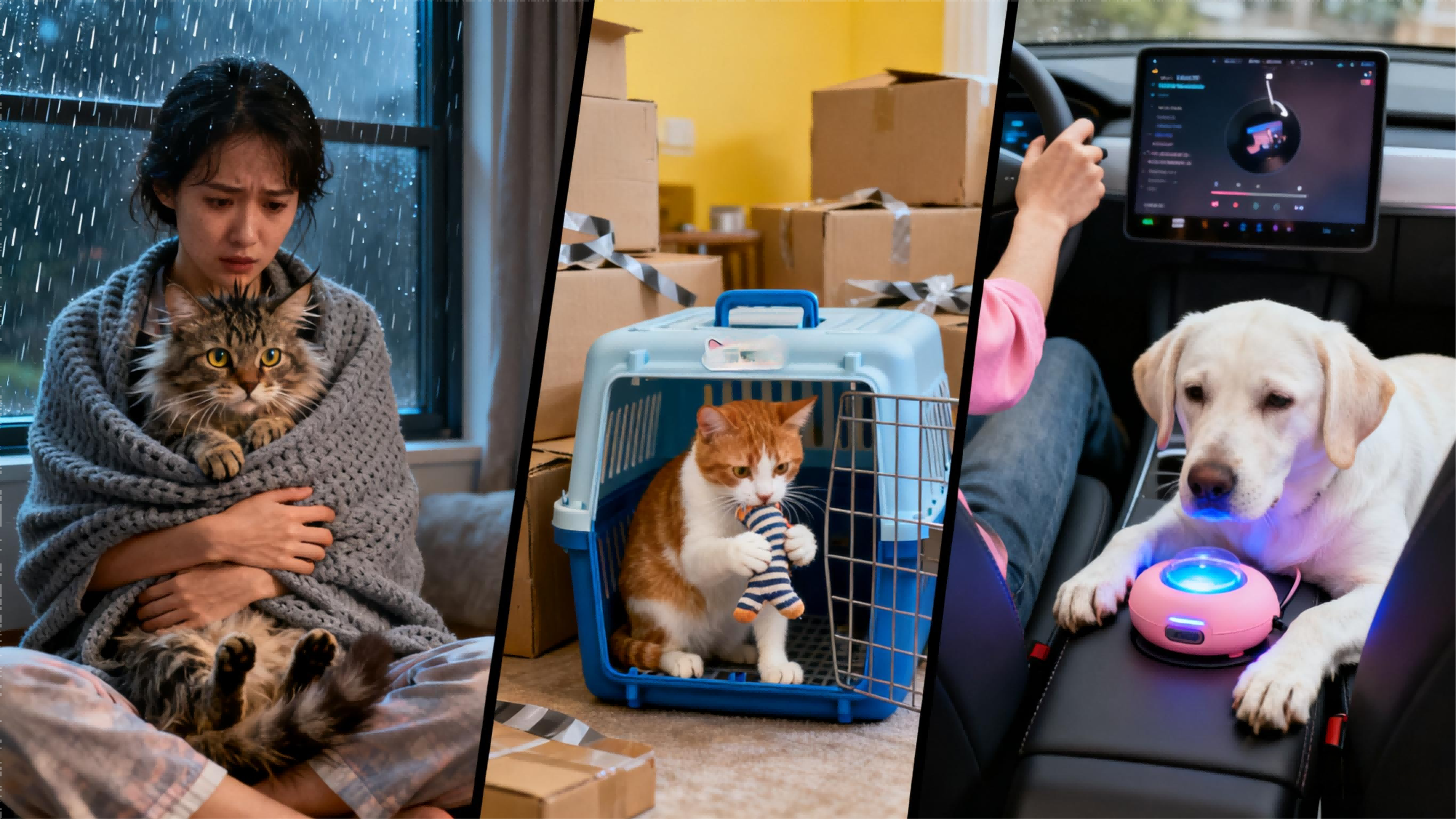
1. Holiday Gatherings: Create a "Pet Safe Zone"
Christmas parties often involve noise, strangers and environmental changes. The American Pet Behavior Association recommends proactive isolation and guidance:
-
Physical Isolation: Set up a "pet safe corner" in a quiet bedroom or study, equipped with familiar beds, toys, owner-scented clothes, automatic feeders and water dispensers. Keep the door closed during the party.
-
Advance Acclimation: Play simulated party music 3 days before the gathering, gradually increasing the volume to help pets adapt; remind guests of "pet etiquette" to avoid sudden touching or feeding.
-
Comfort Aids: Pheromone diffusers (such as Adaptil for dogs and Feliway for cats) can effectively reduce pets' cortisol levels. Pair with calming treats (containing melatonin) to relieve tension.
2. Busy Owners: Quality Over "Empty" Company
Increased work pressure at the end of the year reduces companionship time, making pets prone to feelings of "abandonment". Pet behavior experts from the Canine Collective offer the following advice:
-
Fixed Interaction Time: Set aside 15 minutes of "exclusive time" every morning and evening for activities your pet enjoys (such as fetch for dogs or wand toys for cats). Turn off your phone during this period to focus fully on your pet.
-
Smart Device Assistance: Use camera-equipped interactive robots to talk to pets and dispense treats remotely; set automatic cat teasers to activate regularly to prevent boredom during long periods alone.
-
Leave "Reassuring Signals": Leave an unwashed old T-shirt when going out – the familiar scent provides a sense of security; place a pet tag with "Welcome Home" at the door to strengthen positive associations.
3. Travel Separation: Prevent "Separation Anxiety" Outbreaks
Many families choose to travel during Christmas, highlighting the issue of pet separation anxiety. Pet travel blogger Emma Burton, who travels around Europe with two Beagles, shares her experience:
-
Gradual Acclimation: Start "short separation training" 1 week in advance, gradually extending from 10 minutes to several hours. Reward with treats upon return to help pets form the cognition that "owners will come back".
-
Choose Familiar Caregivers: Prioritize asking relatives or friends to care for pets at home rather than sending them to unfamiliar boarding facilities; if boarding is necessary, take pets to familiarize themselves with the environment in advance and leave frequently used toys and supplies.
-
Remote "Cloud Companionship": Interact with pets at fixed times every day via pet cameras, calling their names and playing familiar sounds to reduce strangeness.
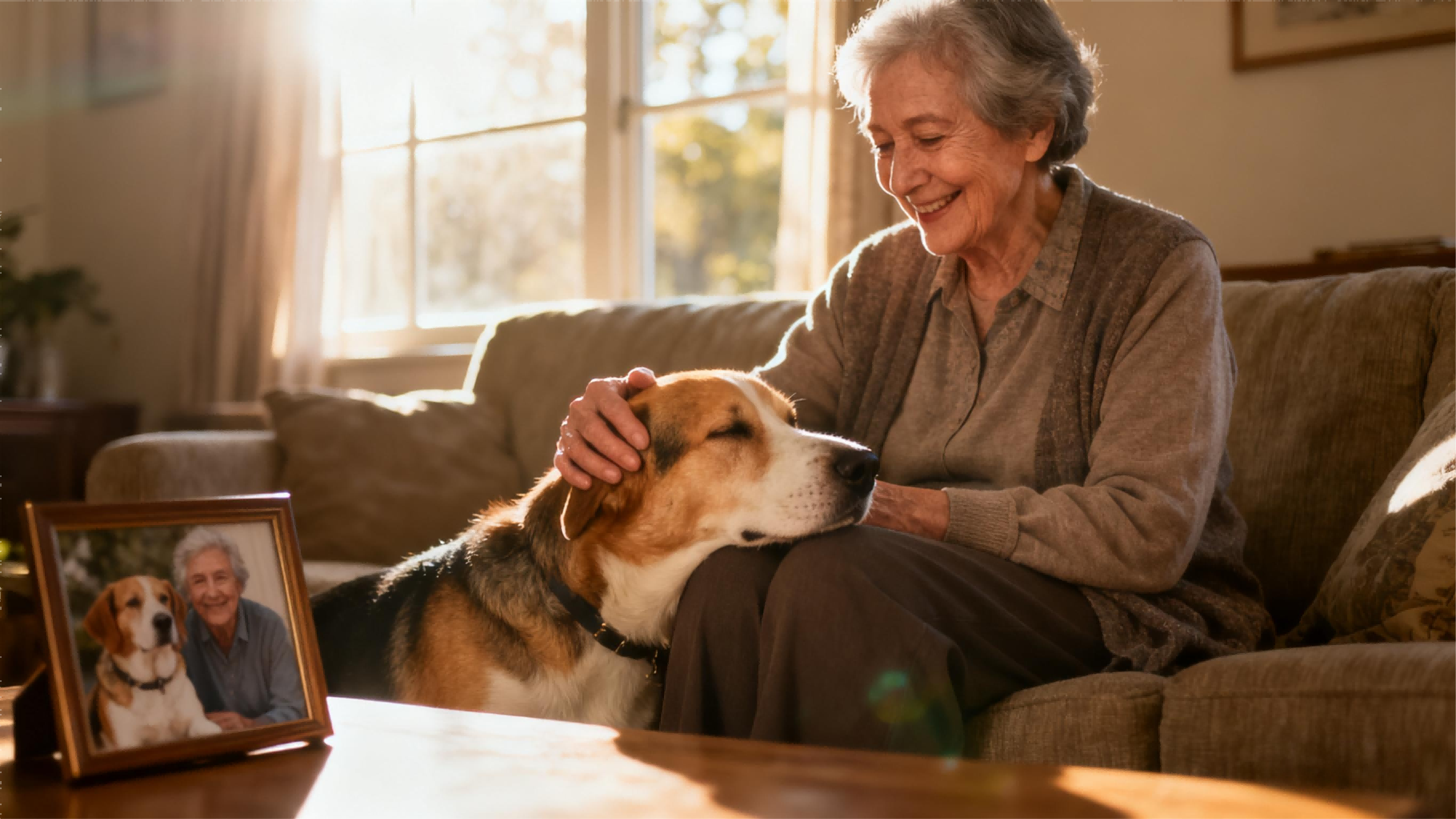
III. Emotional Upgrade: The Value of Pets as "Emotional Support Partners"
The end of the year sees a high incidence of depression and anxiety in Europe and America. Research shows that 10 minutes of interaction with pets can reduce human cortisol levels by 20%, highlighting the unprecedented importance of pets' "emotional support" role:-
Emotional Healing Cases: Data from the U.S. Department of Veterans Affairs shows that the suicide rate of veterans who own pets decreases by 35% at the end of the year. Many institutions have launched "pet companion therapy", bringing fur babies into nursing homes and psychological clinics.
-
Social Connection Bond: During the #NationalCatLoversMonth campaign, many elderly people living alone have met like-minded friends on social platforms by sharing pet daily life, alleviating holiday loneliness.
-
Symbol of Family Cohesion: Pets appear in 82% of Christmas family photos. Many families include pets' names on Christmas cards, making fur babies an important bond for family emotions.
Image Suggestion: Warm-toned real-life photo – an elderly person reading under a Christmas tree with a cat napping on their lap; a pet paw-printed mug placed on the side table, creating a warm and healing atmosphere.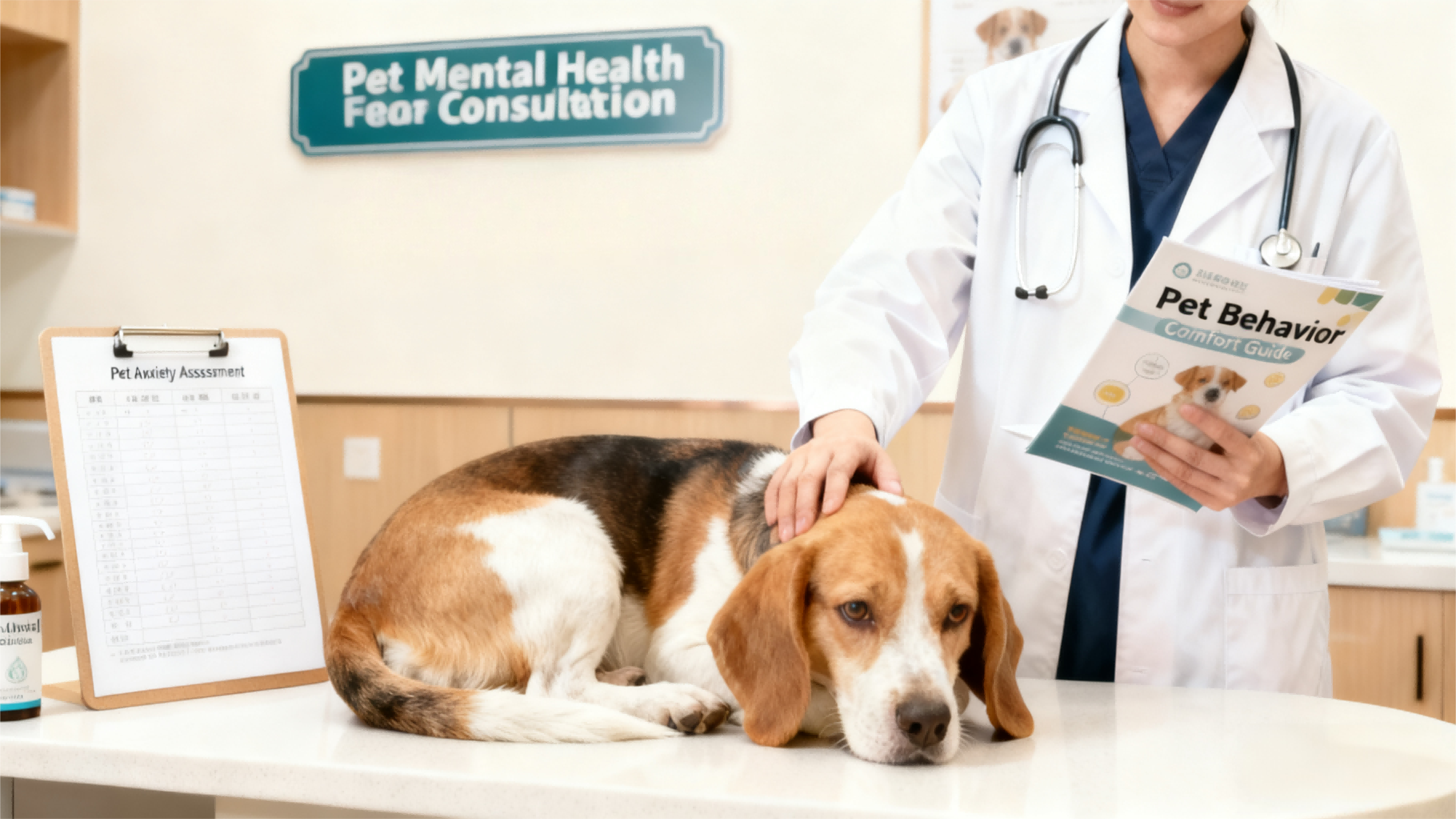
IV. Professional Support: When Pets Need "External Help" for Anxiety
If pets show severe anxiety symptoms (such as anorexia or self-harm) for more than a week, professional help should be sought promptly:-
Pet Behavior Consultants: Certified behavior experts are available in most European and American cities. They provide in-home assessments and personalized correction plans, with consultation fees covered by some pet insurance policies.
-
Online Diagnostic Tools: Sylvester.ai has developed AI technology that recognizes cat facial expressions, which can initially judge emotional states by analyzing pet photos and provide free basic comfort advice.
-
Veterinary Intervention: Severe anxiety may require medication. Veterinarians will prescribe anti-anxiety drugs based on the pet's weight and symptoms – never administer medication without professional guidance.
Conclusion: This end of the year, as we busily prepare for the holidays, don't forget that our fur babies' emotions also need to be "seen". A patient companionship, a safe corner and a timely response are the best holiday gifts for them. After all, their world is small, and we are everything to them. -
Cold Wave Strikes – Complete Guide to Winter Warmth and Health Protection for Pets in Europe & America