
Farewell to Destruction! The Ultimate Guide to Alleviating Dog Separation Anxiety
Help your pup feel safe, calm, and content—even when you’re apart
Introduction
Separation anxiety isn’t just “bad behavior”—it’s a distressing emotional response that leaves dogs feeling scared, overwhelmed, and desperate for their humans. Chewed furniture, scratched doors, excessive barking, or even accidents indoors are your pup’s way of saying, “I’m not okay when you’re gone.”
The good news? With science-backed strategies, patience, and empathy, you can help your dog build confidence and learn to thrive during alone time. This guide breaks down actionable steps to ease their stress—no harsh training tactics, just kindness and consistency.
1. Recognize the Signs of Separation Anxiety
Not all “chewing” or “barking” means separation anxiety—know the key red flags to avoid misdiagnosing your pup:
- Destructive behavior (focused on exit points like doors/windows, not random chewing)
- Excessive vocalization (barking, howling, whimpering that starts immediately after you leave)
- House soiling (even with potty-trained dogs—due to stress, not accidents)
- Physical distress (pacing, panting, drooling, or trying to escape when you prepare to leave)
- Refusal to eat (skipping meals until you return, even with favorite treats)
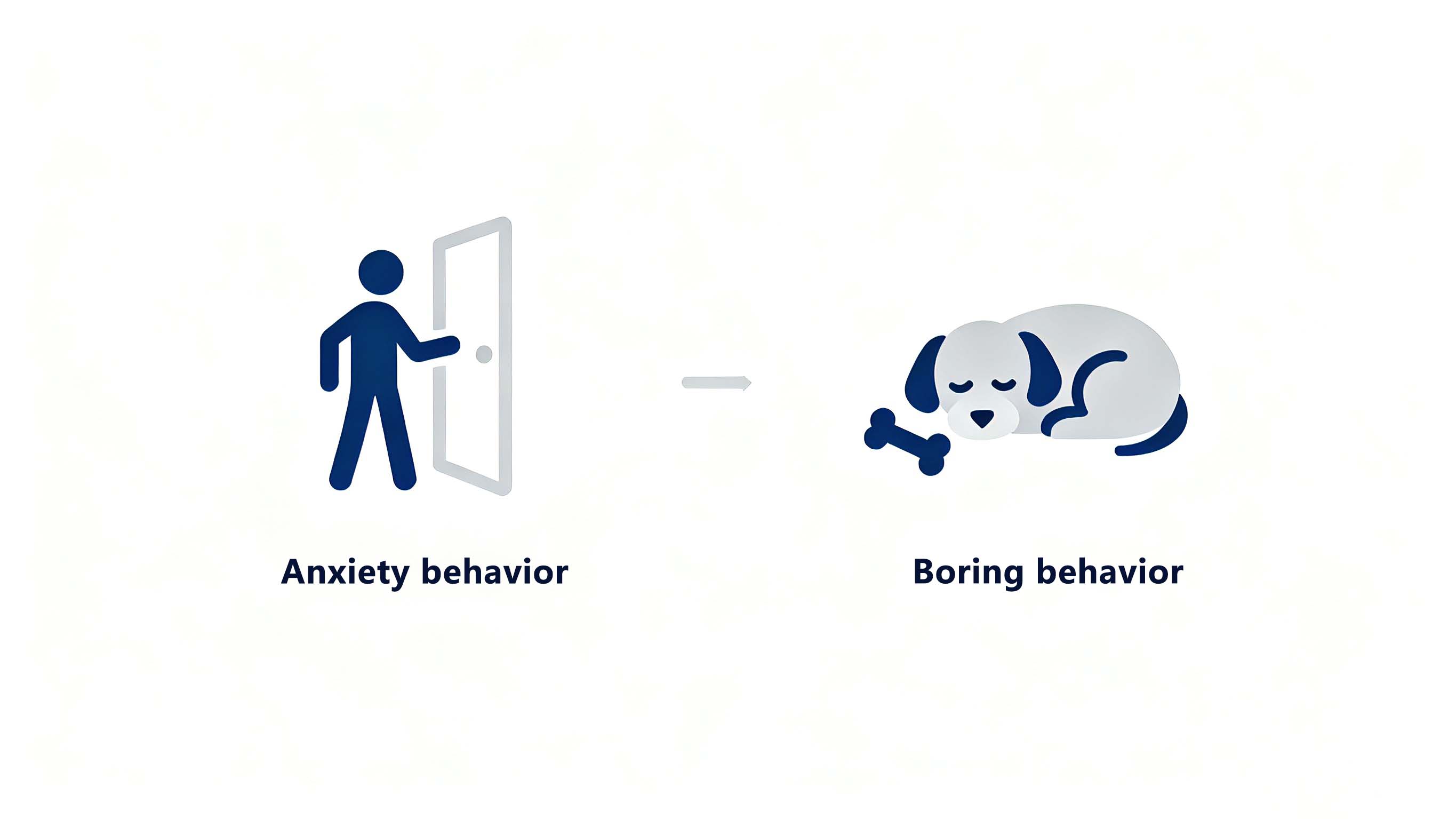
Pro Tip: Set up a hidden camera to observe your dog’s behavior—this helps distinguish anxiety from boredom.
2. Understand Why Separation Anxiety Happens
Dogs are pack animals—their instinct is to stay close to their family. Separation anxiety often stems from:
- Lack of gradual acclimation (never learning to be alone as a puppy)
- Sudden changes in routine (new job, move, or loss of a family member/pet)
- Over-attachment (constant companionship that leaves them unprepared for solitude)
- Past trauma (abandonment, shelter stays, or frequent changes in caregivers)
Recognizing the root cause helps tailor your approach—there’s no “one-size-fits-all” solution!
3. Step-by-Step Strategies to Ease Anxiety
3.1 Start with “Micro-Separations” (Gradual Desensitization)
Dogs learn confidence through small, positive experiences. Rushing separation will only worsen anxiety:
- Begin with 1–2 minute absences (step outside the door, stay in another room).
- Return only when your dog is calm—ignore excited barking/jumping (reward calm behavior with a treat).
- Gradually increase time: add 1–5 minutes every 2–3 days, based on your dog’s comfort level.
- Practice “fake exits” (put on shoes, grab keys, then sit down) to reduce the stress of departure cues.
Example Timeline: Day 1 = 2 minutes; Day 3 = 5 minutes; Day 7 = 15 minutes; Day 14 = 30 minutes.

3.2 Create a Safe, Calming Environment
Your dog’s space should feel like a sanctuary, not a prison:
- Choose a quiet room (away from loud noises like traffic or doorbells).
- Add comfort items: their favorite bed, a worn shirt with your scent, or a soft blanket.
- Use white noise (fan, calming music for dogs) to mask triggering sounds.
- Provide puzzle toys or treat-dispensing toys (stuffed Kongs, snuffle mats) to keep them occupied—mental stimulation reduces stress.
Avoid: Confining your dog to a crate if they associate it with punishment (this will amplify anxiety).
3.3 Build Independence Through Daily Routine
Help your dog feel secure even when you’re not giving them constant attention:
- Practice “alone time” during the day: sit on the couch reading while your dog plays with a toy across the room.
- Teach basic commands (sit, stay) to build confidence—control gives dogs a sense of safety.
- Ensure daily exercise: a long walk or play session before you leave burns energy and reduces restlessness.
3.4 Use Calming Aids (When Needed)
For moderate-to-severe anxiety, supplements or tools can support your training:
- Adaptil diffusers (releases pheromones that mimic a mother dog’s comfort signal).
- Natural supplements (L-theanine, chamomile, or CBD—consult your vet first).
- ThunderShirts (gentle compression that provides a “hug” effect for anxious dogs).
Note: Aids are not a cure—they work best alongside behavior training.
4. What to Avoid (Common Mistakes)
- Scolding or punishing your dog for anxious behavior—this increases fear and guilt.
- Making departures/returns dramatic (no long goodbyes or excited greetings—keep it neutral).
- Leaving for hours without preparation (never jump from 10 minutes to 8 hours alone).
- Using crates as punishment—crates should be a safe space, not a place of confinement.
5. When to Seek Professional Help
If your dog’s anxiety doesn’t improve after 4–6 weeks of consistent training, or if they show severe symptoms (self-harm, extreme panic), consult a:
- Certified Applied Animal Behaviorist (CAAB)
- Veterinary Behaviorist (DVM with specialized training in animal behavior)
- Certified Professional Dog Trainer (CPDT) with experience in separation anxiety
Medication may be recommended for severe cases—this is not a failure, but a compassionate way to help your dog cope while training.

Conclusion
Alleviating separation anxiety takes time, but watching your dog go from panicked to peaceful is one of the most rewarding parts of pet parenthood. Remember: every small win (a calm 10 minutes alone, no chewing) is progress.
Be patient with your pup—and with yourself. You’re not just stopping “destructive” behavior—you’re giving them the gift of emotional security.
Ready to start? Pick one strategy from this guide (we recommend micro-separations!) and begin today—your dog will thank you.
Image Style Guide (Euro-American Aesthetic)
- Color Palette: Neutral tones (whites, grays, beiges) with soft accents (muted blues, greens, or terracotta).
- Photography: High-resolution, natural light, candid lifestyle shots (avoid over-edited or posed images).
- Design: Minimalist, clean layouts—plenty of white space, simple icons, and short text blocks.
- Tone: Warm, authentic, and relatable (no overly “cute” or cheesy visuals).